



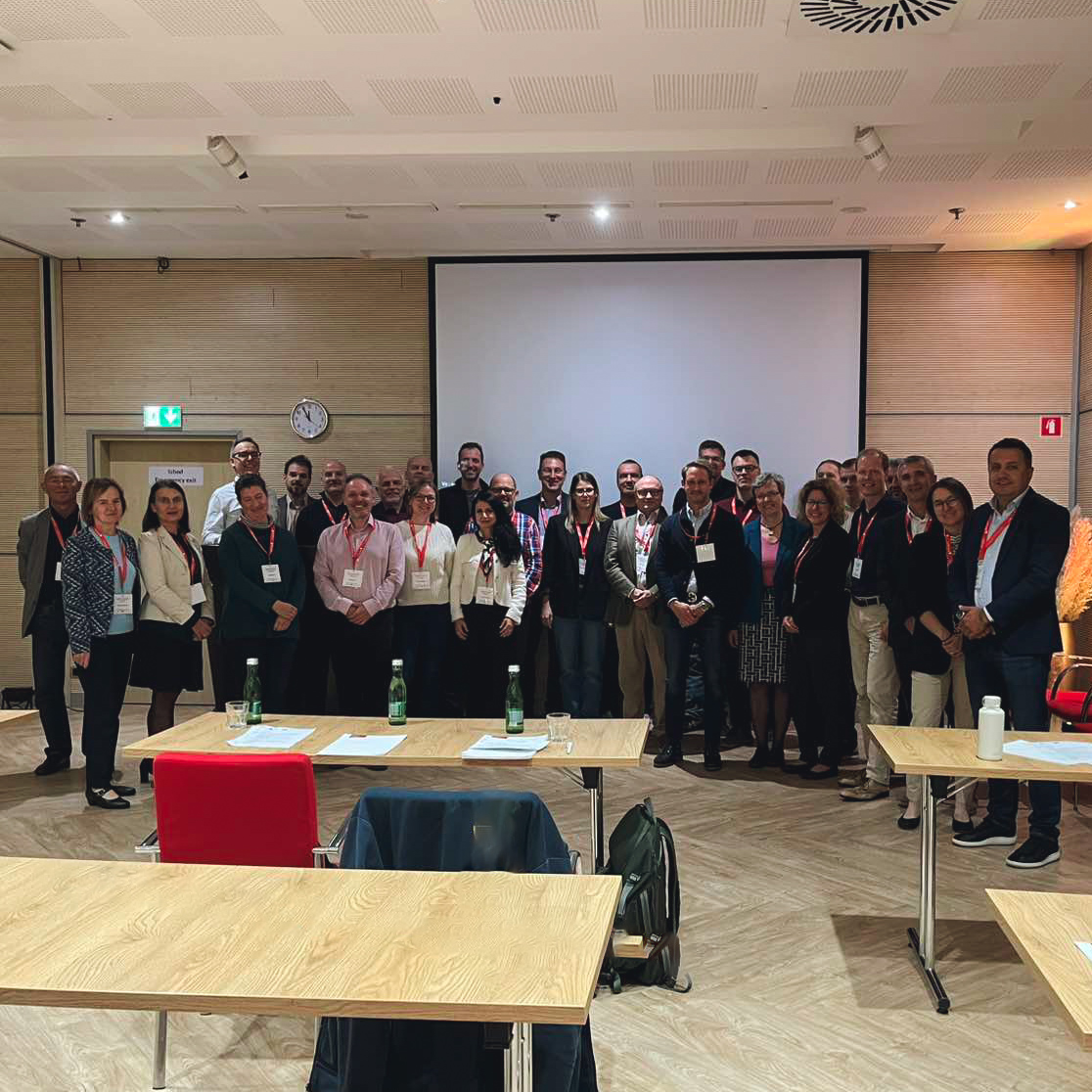
30 September – 1 October 2025 | Ljubljana, Slovenia
The Danube Forecasting Forum (DAFF) 2025 marked an important milestone in regional cooperation on flood forecasting and early warning across the Danube Basin. The continuation of the Forum builds on an initiative originally launched by László Balatonyi, acting on behalf of EUSDR Priority Area 5 (Environmental Risks), with the clear objective of creating a permanent, practice-oriented platform where operational experience, scientific development and policy needs can meet. This vision was subsequently jointly taken forward with the ICPDR and the European Commission’s Joint Research Centre (JRC), ensuring strong institutional anchoring and long-term continuity.

Organised by the International Commission for the Protection of the Danube River (ICPDR) in cooperation with the European Commission Joint Research Centre (EU JRC), EUSDR Priority Area 5, and the Slovenian Ministry of Natural Resources and Spatial Planning, DAFF 2025 brought together hydrologists, meteorologists, civil protection authorities and policy-makers to assess how flood forecasting systems performed during the September 2024 floods, one of the most severe hydrometeorological events in recent decades in Central and Eastern Europe.
A key conclusion of the Forum was that coordinated, transboundary forecasting works. During the 2024 floods, EFAS, national hydrological services and the DanubeHIS data exchange platform provided timely and largely reliable warnings, significantly supporting preparedness and emergency response across borders. At the same time, discussions openly addressed remaining gaps—particularly in data density, model calibration, uncertainty communication and the translation of forecasts to local decision-making.
National experiences from Austria, Hungary, Slovenia, Czechia, Romania and Germany demonstrated how close cooperation between forecasting services and civil protection authorities can reduce impacts even under extreme conditions. Several speakers highlighted that technological advances alone are not sufficient: the institutional organisation of early warning and the clarity of communication are equally decisive.
The second day focused on flash floods and decision-support tools, showcasing progress in nowcasting, radar integration and digital platforms such as FloodSmart and the Sava Flood Forecasting and Warning System. These solutions illustrated how real-time data, intuitive visualisation and mobile applications help bridge the gap between complex modelling outputs and rapid operational decisions.
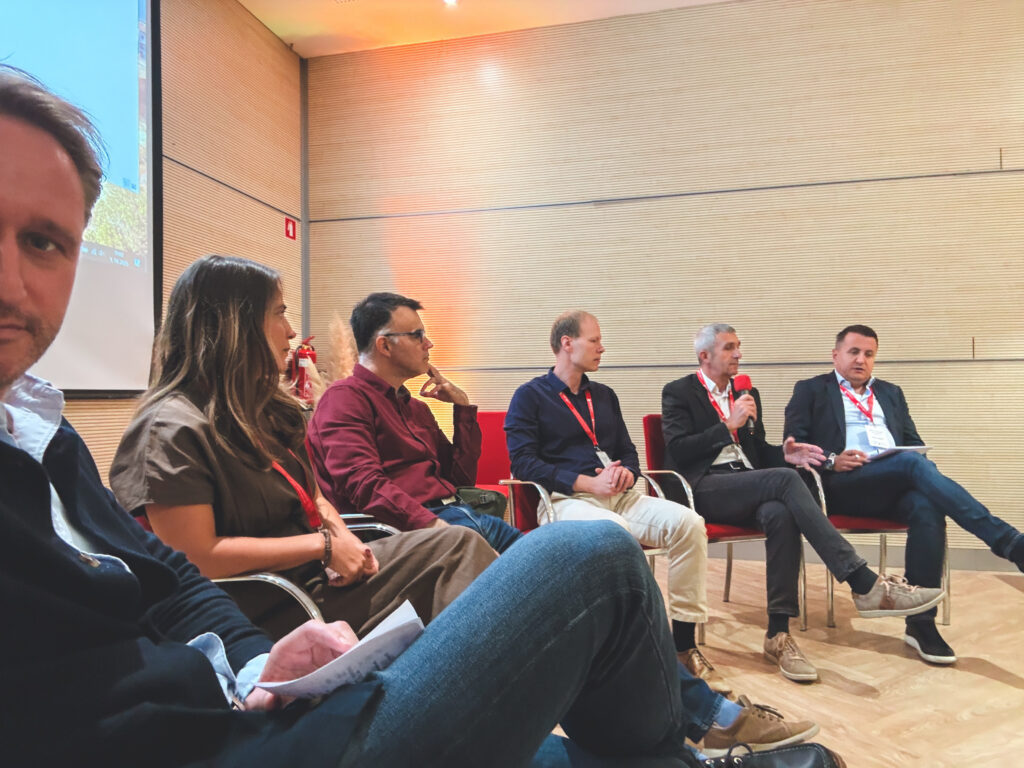
Looking ahead, DAFF 2025 strongly emphasised climate change adaptation. Evidence from across the Danube Basin confirms increasing rainfall intensity and rising flood peaks, particularly in small catchments. Participants agreed that future resilience will depend on adaptive forecasting, automated alert systems, interoperable data platforms and sustained basin-wide cooperation—exactly the long-term perspective that motivated the original PA5 initiative.
By evolving from a PA5-driven concept into a joint ICPDR–JRC–EUSDR cooperation format, the Danube Forecasting Forum has become a cornerstone of regional flood-risk governance. The next DAFF, to be hosted by the European Commission (JRC) by 2027, will continue this trajectory, ensuring that flood early warning in the Danube Basin remains robust, transparent and fit for a changing climate.
You can read the technical report, summary on the event here:


